Who Arranges a Funeral and How to Do It Without a Funeral Director
When someone dies, practical tasks can feel impossible to face. You may be wondering who is actually responsible for arranging the funeral, what the law requires in England and Wales, and whether you can organise everything yourself.
This guide explains the legal position in plain terms and walks through the steps involved in a family-led funeral, covering paperwork, care, transport, bookings and safety. It also offers an honest view on when doing it yourself works well, and when asking for professional help can genuinely ease the burden.
If you need to talk it through now, Barthram Funeral Service is available day and night. Call 01609 777255 (Northallerton) or 01642 700244 (Hutton Rudby and Teesside) for free, no-obligation advice.
Who Is Legally Responsible for Arranging a Funeral?
In England and Wales, the person with the legal right to arrange the funeral is usually the executor named in the will, if there is one. If there is no will, or no executor able to act, responsibility falls to the nearest relative in priority order under intestacy rules. That typically starts with a spouse or civil partner, then adult children, followed by parents, siblings and so on.
Hospitals or local authorities can arrange a funeral if no family or executor comes forward, but if you are the executor or nearest relative, you have both the right and the responsibility to make arrangements. Where there is disagreement, the person with the higher legal priority has the final say, though seeking consensus is always the better path where possible.
Can You Arrange a Funeral Without a Funeral Director?
Yes. There is no legal requirement to use a funeral director in England and Wales. Many families choose to manage some or all elements themselves for reasons of cost, personal meaning or simply a wish to be hands-on. A family-led funeral can be dignified, lawful and deeply personal if you are comfortable with the practicalities involved.
That said, there are legal documents to obtain, standards of care to meet and logistics to coordinate. You can handle everything yourself, or ask for professional help with specific parts such as completing paperwork, supplying a coffin, providing a hearse or managing the committal on the day.
At Barthram, we regularly support families who want a family-led approach with selected help only. If you are exploring options in the York area, you can read more about how we support bespoke choices on our
funeral services in York page.
The Paperwork You Will Need
Medical Certificate and Registration
Before burial or cremation can take place, you will need a Medical Certificate of Cause of Death from the attending doctor, unless the Coroner is involved. If the Coroner investigates, they will issue the necessary forms for burial or cremation directly.
You must register the death within five days at the local Register Office. After registration, you will receive certified copies of the death certificate for banks and legal tasks, along with the authority needed for burial or cremation, such as the Green Form for burial.
Cremation Paperwork
For cremation, the crematorium will advise what they require from you. Where a funeral director is not involved, you will liaise with the crematorium directly to confirm documentation.
If you need a step-by-step overview of what to do first, our guide on what to do when a person dies explains each stage and who to contact.
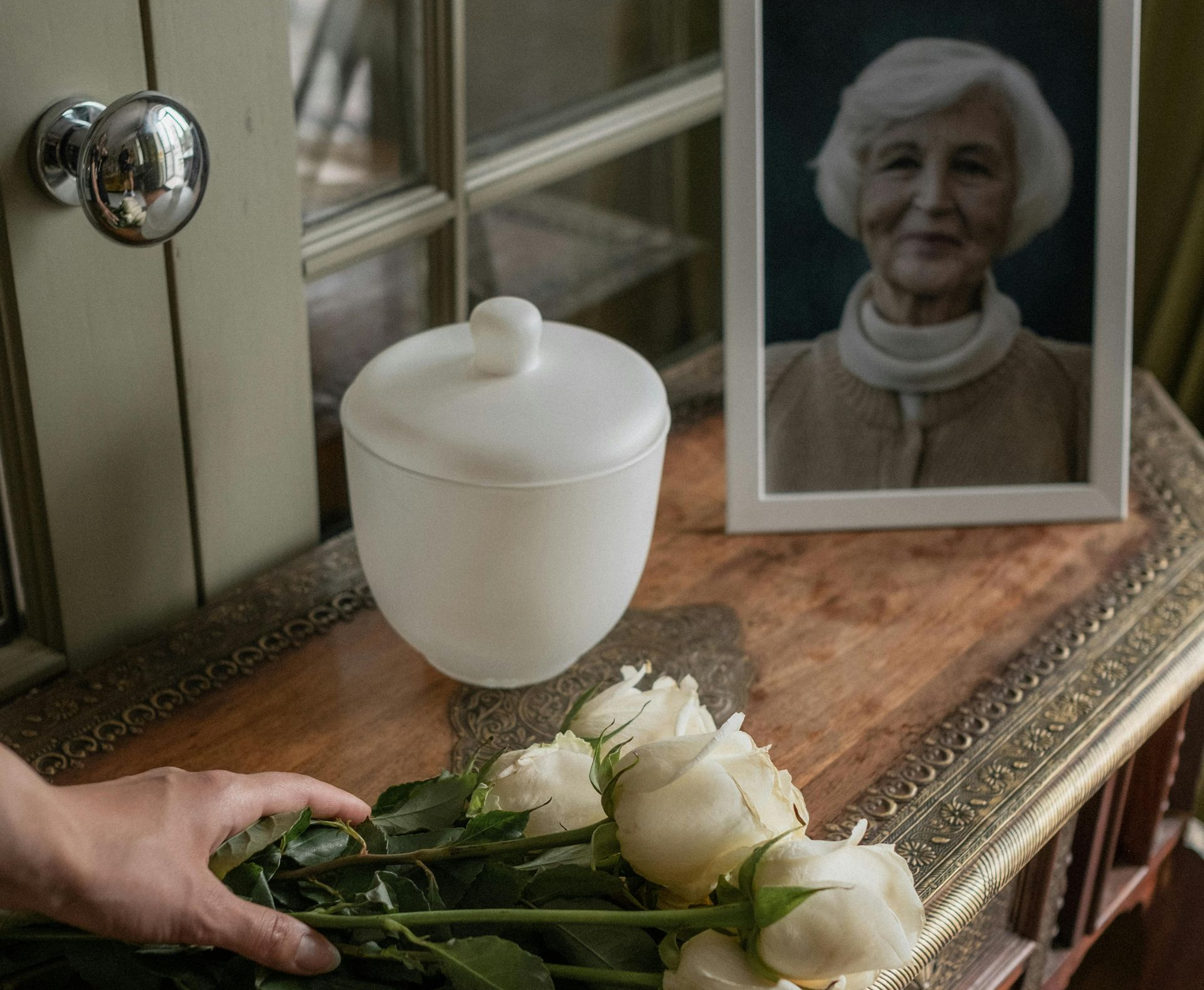
Caring for the Person Who Has Died
You must ensure respectful, safe care at all times. Keep the person in a clean, cool environment, as a refrigerated space is advisable if there is likely to be any delay. Follow safe moving and handling practices, ideally with more than one adult, and use appropriate equipment where needed.
If you wish to wash, dress or place personal items with the person, do so gently and consider any cultural or religious needs that matter to your family.
If you would like professional care in our Chapel of Rest while still arranging other elements yourself, we can help with that. We can also discuss embalming if you are considering longer timescales or have specific presentation needs.
Transport and Logistics
Vehicles and Manual Handling
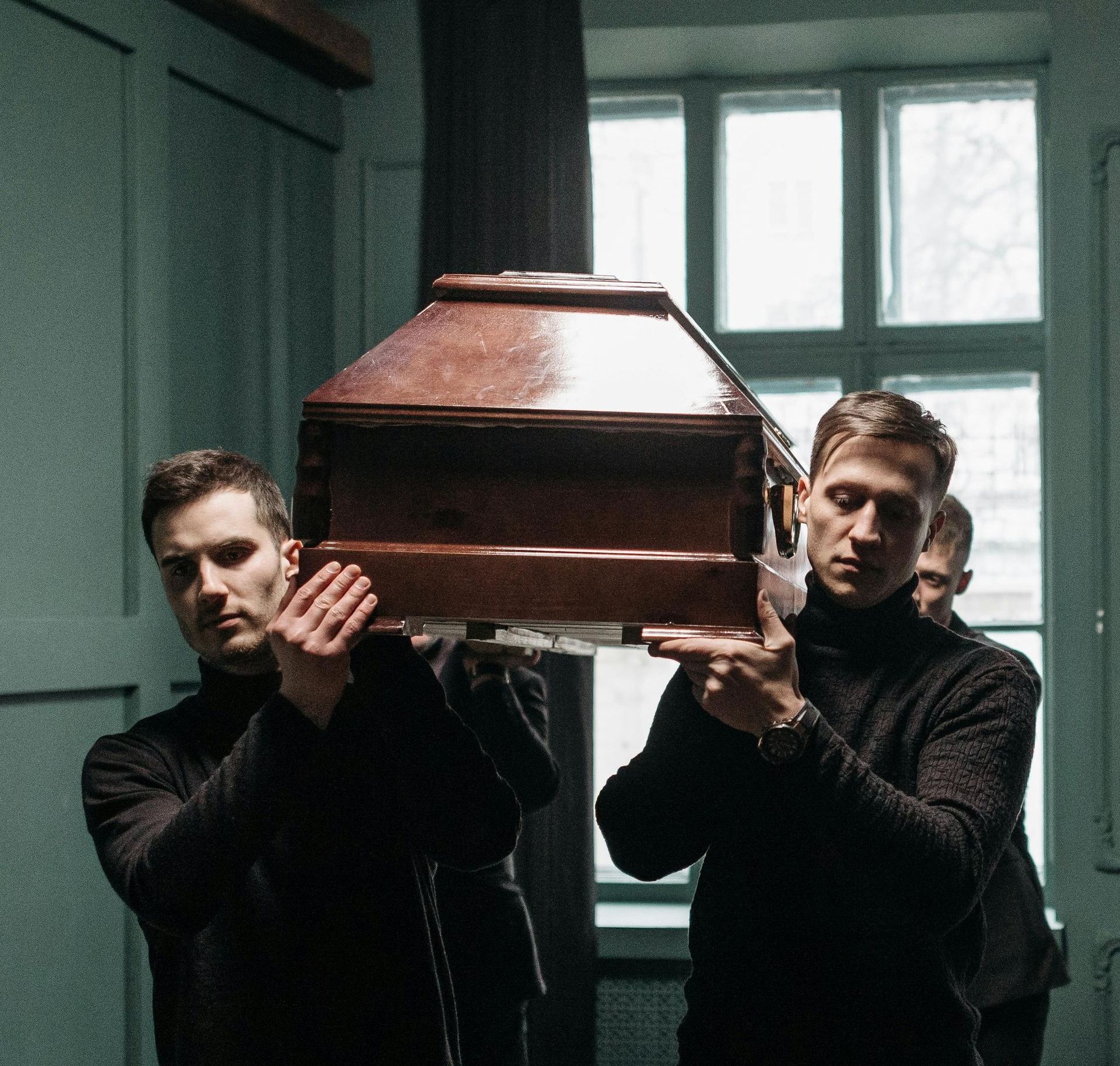
Transport must be safe, suitable and respectful throughout. A closed, clean vehicle that can safely accommodate the coffin is required, with straps or fittings to prevent movement during transit. Lifting a coffin requires enough people for the weight and the space, with clear communication and proper supervision.
For longer journeys, plan rest points and check routing and arrival times with the venue, cemetery or crematorium in advance.
When to Consider Professional Support
Families sometimes use a private vehicle for very short distances, but a professional hearse and bearers reduce risk considerably. Barthram can provide vehicles, bearers and on-the-day coordination even if you are handling other parts of the arrangements yourself.
Booking a Burial or Cremation
Burial
Contact the cemetery or churchyard to check availability, fees and grave preparation requirements. If reopening an existing grave, you will need details of the plot and permission from the holder of the Exclusive Right of Burial where applicable.
Cremation
Choose a crematorium, confirm documentation requirements and book a service slot. You will provide the necessary forms along with any music or readings directly to the venue. If you are arranging near York, our cremation services in York page outlines local options and what the process involves.
When booking, ask how long the service slot is, what the cut-off time is for music and tributes, how many attendees the space can accommodate, and how ashes will be returned to you.
Venues, Celebrants and Personal Touches
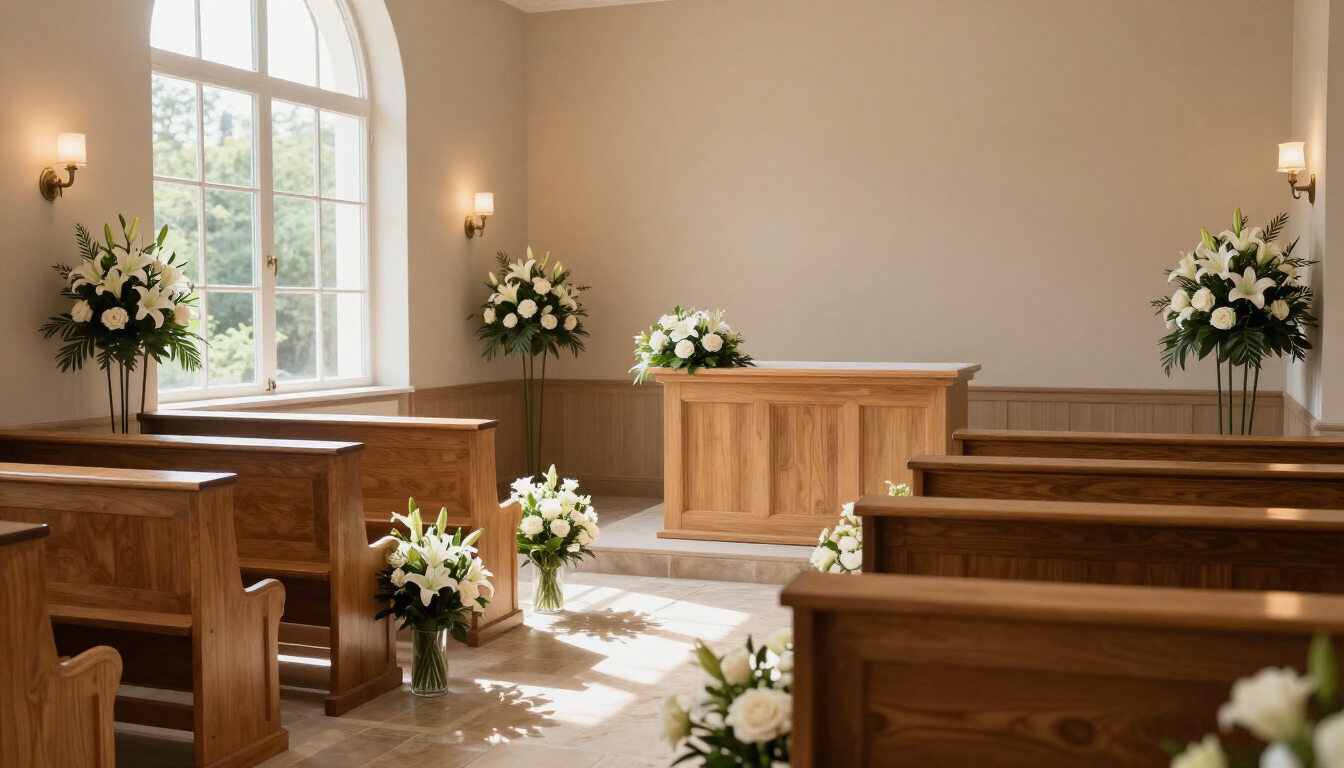
For a family-led ceremony you might hold a simple service at home, in a village hall, a place of worship or at the crematorium chapel. A family member can lead the ceremony, or you can book a celebrant or faith leader independently. Plan readings, music, a eulogy and time for quiet reflection. If you would like help with wording for an order of service, we can share templates and examples.
Health and Safety Considerations
The practical safety considerations are straightforward but worth thinking through carefully. Plan all lifts in advance, use enough bearers and clear pathways of obstacles. Wear gloves where appropriate, wash hands, and follow any guidance from healthcare professionals regarding infection control. Keep the person cool to maintain dignity, particularly if there are any delays. Secure the coffin properly in any vehicle and avoid sudden movements during transport.
If anything feels uncertain at any stage, a short call to your local funeral director can prevent significant stress later on.
When a Family-Led Funeral Works Well
A DIY approach tends to work well when the family has time, support and is comfortable with the practical tasks involved, when the person expressed a wish for a simple or home-led farewell, and when distances are short and venues are flexible.
It may be wise to seek professional help when timescales are tight, when there are complex legal or coronial procedures, or when multiple venues are involved. Many families also prefer professional support for the hearse, limousines and pallbearers, or simply want someone to lead the ceremony on the day so that family members can focus on saying goodbye.
At Barthram, you can choose full service or just the parts you want help with, whether that is completing paperwork, supplying a coffin, booking the crematorium or coordinating the day itself.
How to Appoint a Funeral Director
Contact a local, independent firm and ask for an arrangement meeting in person or by phone. Share the key details, any wishes left by the person who has died, and your budget. Ask for a clear, itemised estimate and check for memberships such as NAFD or SAIF.
If you are in North Yorkshire, you can call us at any time. If you prefer to explore first, visit our York funeral services page to see how an independent family funeral director supports different service styles with care and without pressure.
FAQs
Who is legally responsible for organising a funeral?
Typically the executor named in the will. If there is no executor able to act, the next of kin in legal priority order takes on that responsibility, starting with a spouse or civil partner.
Can I arrange a funeral without a funeral director?
Yes. There is no legal requirement to appoint one. You can handle all or some of the tasks yourself and ask for professional help only where you need it.
How do I book a cremation?
Contact your chosen crematorium to check availability, fees and the forms required. Provide the Green Form or coroner-issued authority and complete their paperwork directly. Confirm your music, readings and the length of the service slot when you book.
How do you appoint a funeral director?
Call your chosen firm, discuss wishes and budget, and ask for an itemised estimate. Confirm who your named contact will be and exactly what is included in the fee. You can appoint Barthram at any time by calling 01609 777255 or 01642 700244, and we will guide you through each step at whatever pace feels right.
Local Contacts and Useful Links
To register the death, search for your local Register Office for England and Wales online and book an appointment within five days of the death. They will explain the documents needed and the fees for certified copies.
For crematoria and cemeteries, contact your chosen venue directly for forms and availability. If you are near York, our cremation information page provides an overview of local processes.
For a step-by-step checklist of practical first actions, our guide on
what to do when a person dies is there to follow at your own pace.
Contact us today
You have options. Some families find comfort in handling every step themselves. Others prefer to hand over the logistics so they can focus on remembrance. Many choose something in between. Whatever feels right for you, we are here to help without pressure.
For free, compassionate advice at any hour, call Barthram Funeral Service on 01609 777255 or 01642 700244. If you are arranging in York, you can also visit our funeral services in York page to see how we support different choices with care and clarity.