What Is a Humanist Funeral and How Does It Differ?
Funerals in the UK have become far more personal over the past few decades, and one of the biggest shifts has been the growing popularity of humanist services. For families who want to arrange a funeral that reflects a loved one's values rather than a religious tradition, a humanist service can feel like the right fit.
A humanist funeral focuses entirely on celebrating the life of the person who has died, without religious content, prayers or hymns. It is built around the individual's beliefs, relationships and personality rather than a fixed religious structure.
This guide explains what a humanist funeral involves, how it compares with a traditional service, and how to decide whether it suits your family's wishes.
What Happens at a Humanist Funeral
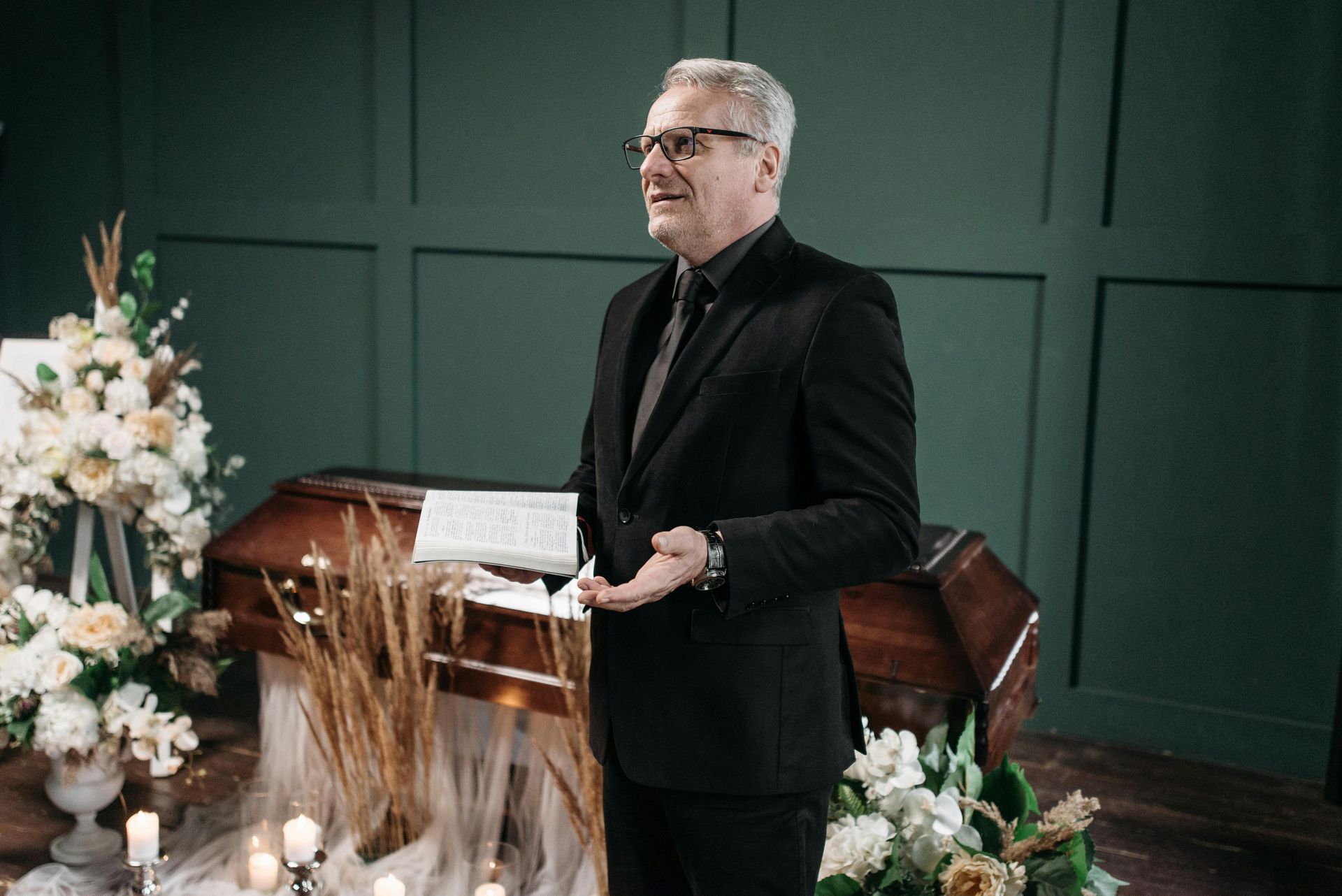
A humanist funeral is led by a trained humanist celebrant rather than a member of the clergy. The celebrant typically meets with the family beforehand to learn about the person who has died, then writes and delivers a ceremony built entirely around their life.
The structure is flexible, but most services include a warm welcome, a detailed tribute covering the person's life and achievements, readings or poems chosen by the family, and time for reflection, often accompanied by music that meant something to them.
Because there is no set religious format to follow, families arranging a funeral service of this kind have considerable freedom over structure, length and content, provided it remains respectful and non-religious throughout.
The Role of the Humanist Celebrant
A humanist celebrant's main job is to get to know the person who has died through conversations with family and friends, then craft a ceremony that genuinely reflects their character rather than following a generic template.
Many celebrants spend several hours with the family before the day itself, gathering stories, anecdotes and details that make the eulogy feel personal and accurate rather than generic.
How a Humanist Funeral Differs From a Traditional Service
The most obvious difference is the absence of religious content. There are no hymns, prayers, or references to an afterlife in a humanist ceremony, since the philosophy is grounded in a non-religious view of life and death.
A traditional church funeral typically follows a set liturgical structure determined by the denomination, whereas a humanist service is built from scratch around the individual, meaning no two humanist funerals look quite the same.
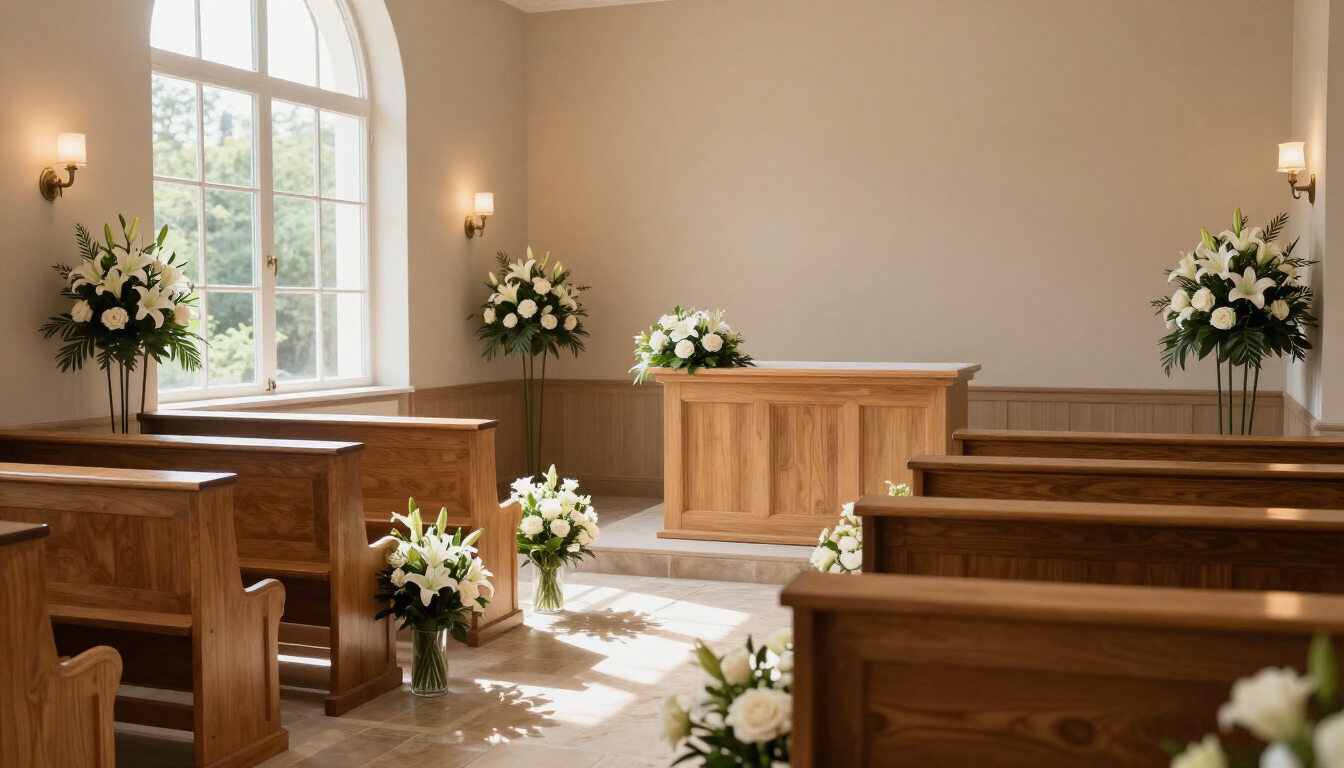
That said, humanist services can still be held at a crematorium, church-adjacent venue, or any suitable location, and they can include music, readings and tributes in a very similar way to a traditional funeral, just without the religious framework.
Can a Humanist Funeral Include Any Religious Elements?
Generally, no. Humanist ceremonies are specifically non-religious, so hymns and prayers are not included. Families who want a small element of both approaches sometimes opt for a civil funeral instead, which allows more flexibility to mix content.
A good funeral director can explain the distinction between humanist and civil ceremonies clearly, helping you choose the format that best matches what your family wants.
Is a Humanist Funeral Right for Your Family?
Choosing between a humanist, civil or traditional religious service often comes down to what the person who has died believed in, and what would feel most authentic and comforting for those attending.
A humanist funeral tends to suit families who want a strong focus on personal storytelling, favourite music, and a ceremony that celebrates the individual's life without any religious framework attached.
Discussing the options openly with a funeral director early in the planning process helps ensure the final service genuinely reflects what the person would have wanted, rather than defaulting to convention.
Frequently Asked Questions
Do humanist funerals have to take place at a crematorium?
No, humanist funerals can be held almost anywhere suitable, including crematoria, function rooms, gardens or outdoor spaces. The absence of religious requirements gives families considerably more flexibility over the venue.
How is a humanist celebrant different from a funeral director?
A humanist celebrant writes and delivers the ceremony itself, while a funeral director handles the practical arrangements, from collecting the person who has died to coordinating the day. Most families work closely with both.
Can family members still speak at a humanist funeral?
Yes, family and friends are often encouraged to contribute readings, memories or tributes as part of the ceremony, alongside the main eulogy delivered by the celebrant.
Conclusion
A humanist funeral offers a way to celebrate a life fully and personally, without religious content that may not reflect what the person believed. For many families, it provides a ceremony that feels genuinely true to who their loved one was.
At Barthram Funeral Service, we help families across North Yorkshire arrange humanist, civil and traditional funeral services, guiding you through every option with warmth and care.
If you would like to discuss a humanist funeral for a loved one, contact Barthram Funeral Service today. We are here to support you, day or night.